Introduction: Taking a Proactive Approach to Vehicle Maintenance and Upgrades
Owning a vehicle comes with ongoing responsibility, and the difference between a dependable ride and a costly liability often comes down to how well it is maintained. Many drivers take a reactive approach—addressing issues only when something goes wrong—but this mindset often leads to higher expenses, unexpected breakdowns, and reduced vehicle lifespan. A proactive approach, on the other hand, focuses on prevention, early detection, and strategic upgrades that improve performance and reliability over time.
Modern vehicles are complex systems made up of mechanical, electrical, and technological components that all work together. When one part begins to fail, it can impact other systems, creating a ripple effect that leads to larger problems. For example, worn tires can affect suspension performance, while electrical issues can interfere with communication systems and security features. Understanding these connections allows vehicle owners to make smarter decisions about maintenance and upgrades.
This guide is designed to provide a comprehensive overview of vehicle care, covering everything from routine maintenance to advanced upgrades. By learning how to assess your vehicle’s condition, prioritize repairs, and plan improvements effectively, you can reduce long-term costs while improving safety, comfort, and performance.
Whether you rely on your vehicle for daily commuting, business operations, or recreational use, taking a structured and informed approach to maintenance ensures that it continues to perform at a high level. With the right strategies in place, you can extend the life of your vehicle, avoid unnecessary stress, and maintain its value over time.
In addition, today’s rapidly evolving automotive technology makes it even more important to stay informed. From advanced driver-assistance systems to integrated electronics and smart diagnostics, vehicles are becoming more sophisticated each year. Staying proactive not only helps preserve performance but also ensures compatibility with newer technologies and safety standards, giving you greater confidence behind the wheel.
Start with a Complete Vehicle Health Assessment
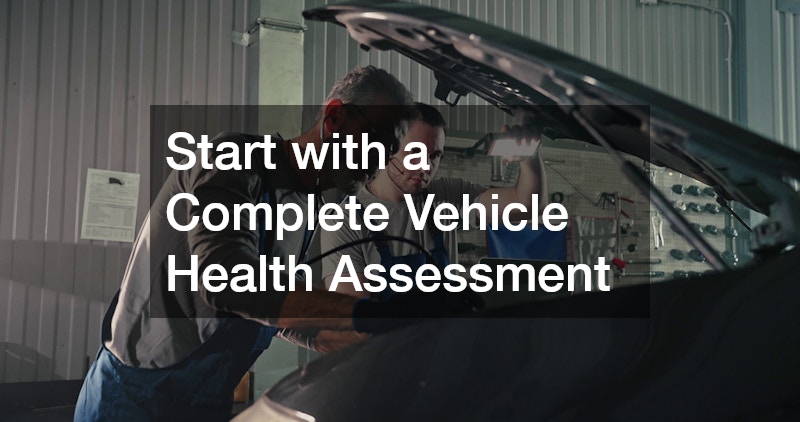
The foundation of effective vehicle maintenance begins with a thorough assessment. Understanding the current condition of your vehicle helps identify both immediate concerns and potential future issues.
Start by evaluating key systems:
- Engine performance and responsiveness
- Transmission behavior and shifting smoothness
- Brake condition and stopping power
- Tire wear patterns and alignment
- Electrical system functionality
Look for early warning signs such as unusual noises, vibrations, dashboard warning lights, or changes in fuel efficiency. These indicators often signal underlying problems that should be addressed before they escalate.
Creating a maintenance checklist can help keep inspections consistent:
- Weekly: check tire pressure, fluid levels, and visible leaks
- Monthly: inspect belts, hoses, and battery condition
- Quarterly: evaluate brake performance and alignment
- Annually: schedule professional diagnostics
Tracking maintenance history is equally important. Keeping records of repairs, replacements, and inspections provides valuable insight into patterns and helps guide future decisions.
Professional diagnostics can uncover issues that are not visible during routine checks. Advanced tools can detect problems within electronic systems, engine components, and sensors, allowing for early intervention.
A complete assessment ensures that maintenance efforts are targeted and effective, reducing the likelihood of unexpected breakdowns.
Choose the Right Tires for Safety and Performance
Tires are one of the most critical components of any vehicle, directly affecting safety, handling, and fuel efficiency. Selecting the right tires and maintaining them properly can significantly improve overall performance.
Working with experienced tire dealers ensures that you choose the correct tire type for your driving conditions and vehicle specifications.
Key factors to consider when selecting tires:
- Climate and seasonal conditions
- Driving habits and terrain
- Load capacity requirements
- Tread pattern and durability
Common signs that tires need replacement include:
- Uneven tread wear
- Cracks or bulges in the sidewall
- Reduced traction in wet conditions
- Increased stopping distance
Maintenance tips to extend tire life:
- Rotate tires regularly to ensure even wear
- Maintain proper tire pressure
- Check alignment and balance periodically
- Avoid aggressive driving habits
Proper tire care not only improves safety but also enhances fuel efficiency and driving comfort.
Keep Your Vehicle Running Smoothly with Routine Mechanical Care
Routine maintenance is essential for keeping your vehicle in optimal condition. Ignoring small issues can lead to more significant problems that require costly auto repairs.
Common mechanical issues include:
- Engine misfires or reduced performance
- Transmission slipping or delayed shifting
- Brake wear and reduced stopping power
- Cooling system inefficiencies
Preventative maintenance strategies:
- Change engine oil at recommended intervals
- Replace air and fuel filters regularly
- Inspect and replace worn belts and hoses
- Monitor fluid levels and top off as needed
Understanding when to repair versus replace components is key. In some cases, replacing a worn part early can prevent damage to other systems.
Regular servicing ensures that your vehicle remains reliable and efficient, reducing the risk of unexpected failures.
Handle Unexpected Breakdowns with Confidence

Even with proper maintenance, breakdowns can still occur. Being prepared for these situations can make a significant difference in safety and convenience.
When a breakdown happens:
- Move your vehicle to a safe location if possible
- Turn on hazard lights
- Stay inside the vehicle if it is unsafe to exit
- Contact a towing company or roadside assistance service
Essential items for an emergency kit:
- Jumper cables
- Flashlight and extra batteries
- First aid kit
- Tire repair tools
- Reflective warning triangles
Choosing reliable service providers ensures quick response times and professional handling of your vehicle.
Preparation reduces stress and helps ensure your safety during unexpected situations.
Upgrade Suspension and Performance for Better Driving Experience
Suspension upgrades can significantly enhance both performance and appearance. Installing lift kits is a popular option for drivers who want improved ground clearance and off-road capability.
Benefits of suspension upgrades:
- Increased clearance for rough terrain
- Improved visibility and driving confidence
- Enhanced towing and hauling capabilities
Important considerations:
- Compatibility with your vehicle
- Impact on fuel efficiency
- Changes in handling and stability
- Legal and safety regulations
Maintenance after installation includes:
- Regular inspection of suspension components
- Alignment adjustments
- Monitoring tire wear
Properly installed upgrades can improve performance while maintaining safety and reliability.
Restore and Protect Your Vehicle’s Exterior Structure
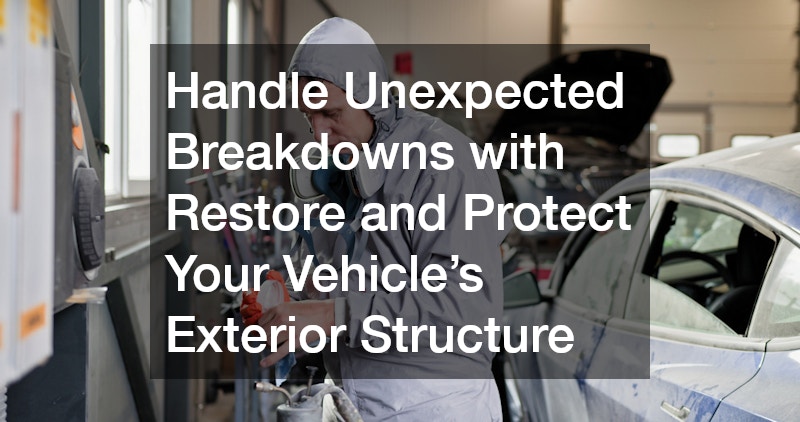
The exterior of your vehicle is constantly exposed to environmental elements, making it susceptible to damage over time. Addressing issues promptly through truck body repair helps maintain both appearance and structural integrity.
Common types of damage include:
- Dents and scratches
- Rust and corrosion
- Paint fading or peeling
- Structural damage from collisions
Preventative measures:
- Regular washing and waxing
- Applying protective coatings
- Repairing minor damage early
Professional repairs ensure that damage is properly addressed, preventing further deterioration.
Maintaining the exterior not only improves appearance but also protects the vehicle’s value.
Enhance Comfort and Technology Inside Your Vehicle
Interior upgrades can significantly improve the driving experience. Car audio system installation allows drivers to enjoy better sound quality and modern connectivity features.
Key considerations:
- Compatibility with existing systems
- Sound quality preferences
- Installation quality and wiring safety
Upgrades may include:
- New speakers and subwoofers
- Advanced head units with navigation
- Bluetooth and smartphone integration
Proper installation ensures optimal performance and prevents electrical issues.
Maintaining your audio system includes:
- Avoiding excessive volume levels
- Protecting components from moisture
- Regular system checks
A well-designed audio system enhances comfort and enjoyment during every drive.
Maintain Secure and Functional Access Systems
Modern vehicles rely heavily on electronic access systems. Key fob programming ensures that these systems remain secure and functional.
Common issues include:
- Unresponsive key fobs
- Reduced signal range
- Battery failure
Maintenance tips:
- Replace batteries regularly
- Keep fobs protected from damage
- Reprogram devices when necessary
Upgrading access systems can improve security and convenience.
Ensuring proper functionality prevents access issues and enhances overall vehicle security.
Keep Communication Equipment Operating Reliably
Communication systems are essential for certain vehicles, particularly in commercial or emergency applications. Two way radio repair services ensure reliable performance when communication is critical.
Common issues include:
- Signal interference
- Battery problems
- Hardware malfunctions
Maintenance practices:
- Regular testing and calibration
- Proper storage and handling
- Prompt repairs when issues arise
Reliable communication systems improve coordination and safety in various scenarios.
Maintain Smaller Utility Vehicles for Everyday Use
Utility vehicles require regular maintenance to remain functional and efficient. Golf cart repairs address common issues such as battery performance, tire wear, and electrical faults.
Maintenance tips:
- Charge batteries properly and regularly
- Inspect tires and brakes
- Store vehicles in protected environments
Routine care ensures that utility vehicles remain reliable for daily use.
Coordinate Maintenance and Upgrades Efficiently
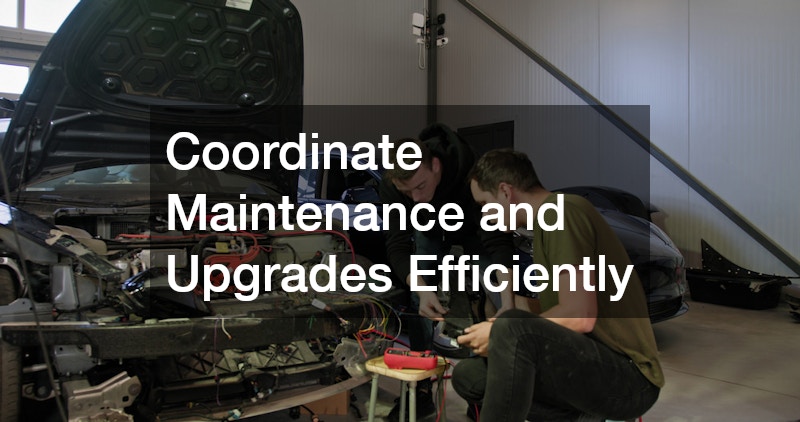
Managing multiple vehicle services requires organization. Coordinating maintenance tasks reduces downtime and improves efficiency.
Best practices:
- Schedule related services together
- Track maintenance history
- Communicate clearly with service providers
Efficient coordination ensures smoother vehicle management.
Budgeting and Planning for Vehicle Maintenance
Financial planning helps manage maintenance costs effectively.
Strategies include:
- Setting aside funds for repairs
- Prioritizing essential services
- Comparing quotes
Planning ensures that maintenance remains manageable.
Increase Vehicle Value Through Strategic Upgrades
Strategic improvements enhance both performance and resale value.
Examples include:
- Performance upgrades
- Interior enhancements
- Exterior restoration
Maintaining documentation supports higher resale value.
Build a Long-Term Maintenance Routine That Works
Consistency is key to long-term vehicle performance.
Routine tasks:
- Regular inspections
- Scheduled servicing
- Monitoring system performance
A structured routine prevents major issues.
Conclusion: Achieving Reliable Performance and Long-Term Vehicle Value
Maintaining a vehicle requires a consistent and informed approach. By focusing on preventative care, timely repairs, and strategic upgrades, drivers can significantly improve reliability and performance.
Each system within a vehicle plays an important role, and when they are properly maintained, they work together to create a smooth and dependable driving experience. From working with trusted tire dealers to ensure proper traction and safety, to staying on top of essential auto repairs, every step contributes to overall functionality and long-term dependability.
Proactive maintenance not only reduces the risk of unexpected breakdowns but also helps control long-term costs. Having access to a reliable towing company and dependable roadside assistance services provides an added layer of security, ensuring that even in emergencies, drivers are not left stranded or vulnerable. Preparing for these situations is just as important as preventing them.
Beyond routine maintenance, strategic upgrades can enhance both performance and comfort. Installing lift kits can improve ground clearance and off-road capability, while truck body repair helps restore structural integrity and protect against long-term damage caused by environmental exposure. These improvements not only extend the life of the vehicle but also enhance its usability across different driving conditions.
Interior upgrades also play a key role in improving the overall driving experience. Investing in car audio system installation allows drivers to enjoy enhanced sound quality and modern connectivity features, making daily commutes and long trips more enjoyable. At the same time, ensuring proper key fob programming keeps vehicle access secure and convenient, reducing the risk of lockouts or security issues.
Specialized systems should not be overlooked either. Vehicles equipped with communication tools benefit from regular maintenance through two way radio repair services, ensuring reliable operation when communication is critical. Similarly, maintaining smaller utility vehicles through consistent golf cart repairs ensures that all forms of transportation—whether for work or leisure—remain dependable and efficient.
Another important aspect of long-term vehicle care is consistency. Creating and following a structured maintenance routine allows drivers to stay ahead of potential issues. This includes scheduling regular inspections, monitoring system performance, and addressing minor concerns before they escalate. Keeping detailed records of services and upgrades also helps track the vehicle’s history, making future maintenance decisions more informed and efficient.
Financial planning plays a crucial role as well. Setting aside funds for both expected maintenance and unexpected repairs ensures that drivers are prepared for any situation. This approach prevents rushed decisions and allows for higher-quality service choices, which ultimately benefits the vehicle’s longevity.
Ultimately, a well-maintained vehicle provides greater safety, comfort, and value. By adopting a structured maintenance plan and staying consistent with care, drivers can ensure that their vehicles remain dependable and efficient for years to come. Taking a comprehensive approach—one that includes routine servicing, emergency preparedness, and thoughtful upgrades—creates a balanced strategy that supports both immediate performance and long-term reliability.
Ultimately, a well-maintained vehicle provides greater safety, comfort, and value. By adopting a structured maintenance plan and staying consistent with care, drivers can ensure that their vehicles remain dependable and efficient for years to come.