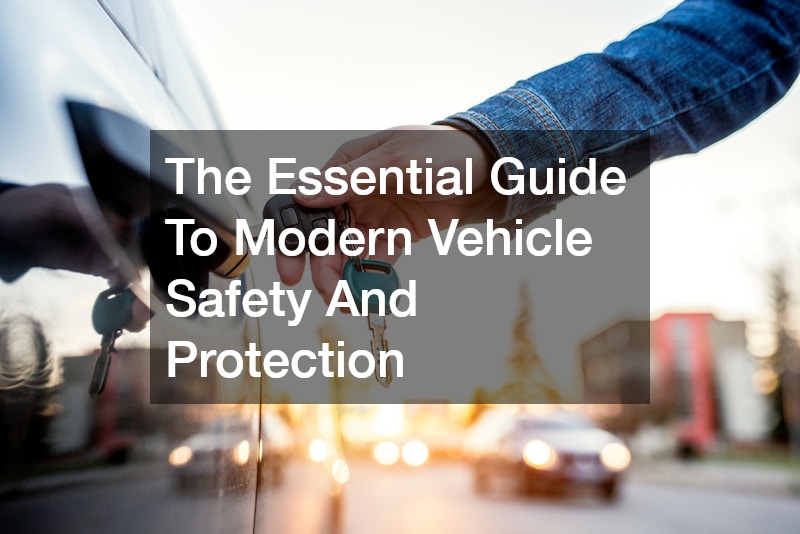
Maintaining a vehicle in the modern era has evolved far beyond the simple oil change. As automotive technology becomes more sophisticated, the methods we use to protect our investments and ensure our safety on the road must also adapt. Vehicle stewardship today is a dual-track responsibility: it involves the mechanical upkeep that keeps the car moving reliably and the aesthetic preservation that maintains its long-term value. This guide provides a comprehensive look at how to shield your vehicle from the elements, manage mechanical wear, and navigate the inevitable hurdles of modern driving.
By viewing your car as a collection of interconnected systems, you can move from reactive repairs to proactive protection. Whether you are driving a brand-new electric vehicle or keeping a high-mileage workhorse on the road, the principles of safety and preservation remain the same. The goal is to minimize risk, maximize comfort, and ensure that every journey ends as safely as it began.
Precision Handling and Mechanical Reliability
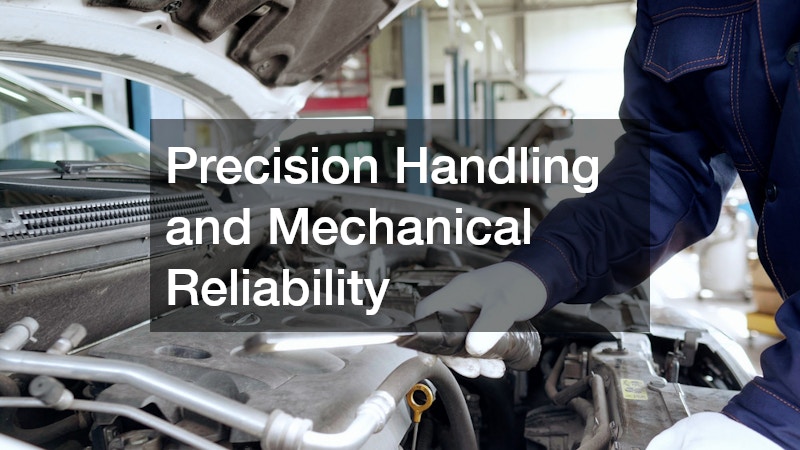
The foundation of any safe driving experience is the interface between the vehicle and the road. This relationship is governed by the suspension and the condition of your rubber. When these components are out of sync, the vehicle’s safety systems—such as electronic stability control and anti-lock brakes—cannot function at their highest potential. Precision handling is not just for performance cars; it is a critical safety requirement for avoiding obstacles and maintaining control during inclement weather.
-
Vibration Analysis: If you feel a rhythmic shaking in the steering wheel, it is often a sign that your tires have lost their balance or have developed flat spots.
-
Tread Depth Monitoring: Using the “penny test” is a start, but modern digital depth gauges provide the accuracy needed to know exactly when your stopping distance is being compromised.
-
Suspension Health: Leaking shocks or worn bushings can lead to “nose-diving” during braking, which shifts weight away from the rear tires and reduces traction.
Ensuring that your vehicle tracks straight and true requires regular visits to a specialist for wheel alignments, especially after hitting a deep pothole or curbing a wheel. Ignoring a crooked steering wheel leads to rapid, uneven tread wear that can destroy a set of tires in a matter of months. Furthermore, when you do encounter road debris or a slow leak, finding a reputable tire repair shop is essential to determine if a puncture can be safely plugged and patched or if the structural integrity of the sidewall has been compromised, requiring a full replacement.
Surface Armor and Exterior Preservation
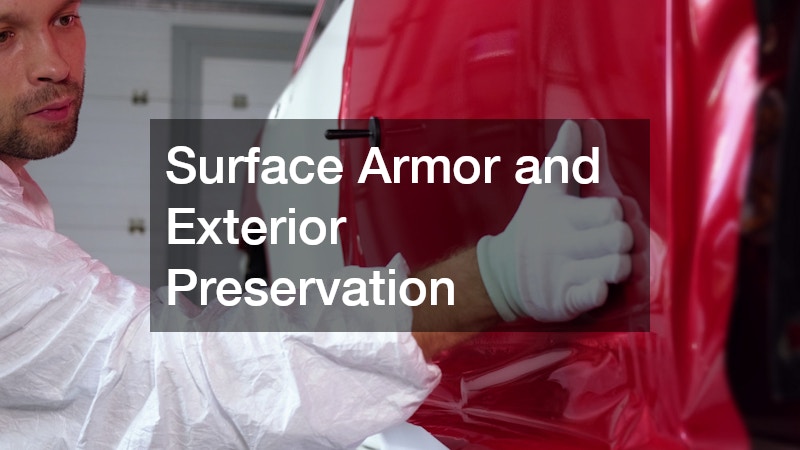
The exterior of a modern vehicle faces a constant barrage of environmental threats. From the caustic nature of bird droppings to the abrasive reality of road salt and UV radiation, your paint is under attack from the moment it leaves the garage. Traditional waxing provides a temporary shine, but modern “surface armor” offers a semi-permanent barrier that chemically bonds to the clear coat, creating a hydrophobic surface that sheds water and contaminants with ease.
-
Chemical Decontamination: Before applying any protection, it is vital to remove embedded iron particles and industrial fallout using a specialized clay bar or chemical remover.
-
Hydrophobic Properties: A protected surface allows water to bead and roll off, taking dirt with it and making the “maintenance wash” much faster and safer.
-
UV Resistance: High-end protectants act as a sunblock for your car, preventing the oxidation and fading that typically occurs on horizontal surfaces like the hood and roof.
For those seeking the pinnacle of paint preservation, auto ceramic coatings offer a hard, glass-like layer that can last for years rather than weeks. This technology provides a deep, mirror-like gloss while protecting against light marring and chemical etching. Alternatively, for owners who want to change the color of their vehicle while simultaneously protecting the original paint from rock chips and scratches, a professional car wrap service provides a versatile solution. This vinyl layer can be removed later, revealing perfectly preserved factory paint underneath, which significantly bolsters the vehicle’s eventual resale value.
Interior Climate Control and Privacy
Safety and protection are not limited to the outside of the vehicle. The interior cabin is where the driver must remain focused and comfortable. High temperatures inside a parked car can reach dangerous levels in minutes, damaging sensitive electronics and causing leather surfaces to crack and fade. Moreover, excessive glare during the day can cause eye fatigue, reducing a driver’s reaction time during long trips.
-
Heat Rejection: Modern window films can block up to 60% or more of solar energy, significantly reducing the load on your air conditioning system.
-
Shatter Resistance: In the event of an accident, window film can help hold broken glass together, preventing shards from injuring passengers.
-
Interior Longevity: Protecting the dashboard and upholstery from UV rays prevents the brittle texture and “plastic smell” associated with sun-damaged interiors.
One of the most effective ways to manage the interior environment is through professional auto tinting. Unlike the “bubble-prone” DIY kits of the past, modern ceramic tints provide massive heat rejection without being excessively dark, ensuring you stay within legal limits while enjoying a cooler cabin. This layer of privacy also acts as a deterrent to theft, as it makes it much more difficult for passersby to see valuables left inside the vehicle, adding an extra layer of security to your daily commute.
Specialized Logistics and Heavy Transport
There are times when protecting your vehicle means not driving it at all. Whether you are moving a classic car to a show, transporting a non-running project, or relocating across the country, the logistics of vehicle transport require specialized equipment. Improper towing is one of the leading causes of highway accidents, often due to overloaded suspension or incorrect weight distribution that leads to “trailer sway.”
-
Tongue Weight Calibration: Ensuring that 10% to 15% of the total trailer weight is on the hitch prevents the trailer from fish-tailing at high speeds.
-
Braking Systems: Heavy loads require independent electronic braking systems on the trailer to prevent the lead vehicle’s brakes from overheating and failing.
-
Tie-Down Security: Using high-quality ratcheting straps on the vehicle’s frame or tires ensures that the load doesn’t shift during sudden maneuvers.
When moving vehicles, the choice of car trailers and hauler equipment is paramount. Open trailers provide ease of use for short distances, while enclosed haulers offer maximum protection from road debris and weather during long-haul trips. Understanding the towing capacity of your primary vehicle and the specific requirements of the load ensures that the transportation process is a safe extension of your vehicle management strategy rather than a hazard to other drivers.
Managing Unexpected Roadside Failures
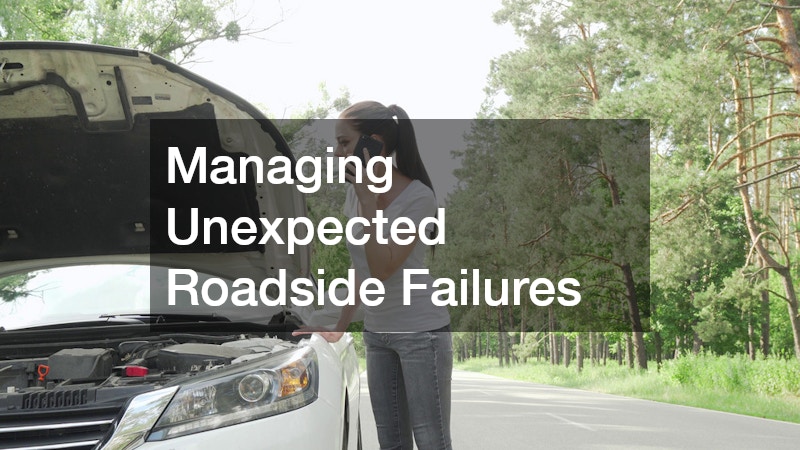
Even the most meticulously maintained vehicle can succumb to an unexpected mechanical failure or an external hazard like a shredded tire or a dead battery. In these moments, safety shifts from “prevention” to “crisis management.” Standing on the shoulder of a busy highway is one of the most dangerous positions a driver can be in, making rapid recovery a top priority.
-
The “Slow Down, Move Over” Rule: When you see emergency lights or a service vehicle, always move to the furthest lane to provide a safety buffer for the people working on the roadside.
-
Communication: Always have a backup power source for your phone, as high-stress situations and GPS usage can drain batteries quickly.
-
Visibility: Use your hazard lights immediately, and if it is safe to do so, place reflective triangles or flares several hundred feet behind your vehicle to give oncoming traffic ample warning.
A comprehensive safety plan should always include a membership to a reputable roadside assistance service. Having a professional dispatcher available 24/7 ensures that help is only a phone call away, whether you need a jumpstart in a dark parking lot or a fuel delivery on a lonely stretch of road. If the issue is more severe, such as a transmission failure or an engine overheat, professional towing services are required to move the vehicle to a secure facility without causing further damage to the drivetrain or bumper.
Overcoming Common Access and Security Issues
Sometimes, the threat to our vehicle’s “protection” is our own forgetfulness. Human error remains a constant in automotive ownership, and one of the most frustrating experiences is the realization that your means of transport is inaccessible. In the rush of a busy morning or the exhaustion of a late night, small mistakes can lead to significant delays and stress.
-
Digital Backups: Many modern vehicles offer smartphone apps that allow for remote unlocking, provided the vehicle has a cellular connection.
-
Key Fob Maintenance: Replace the batteries in your remote every two years to prevent the signal from weakening, which often leads to “dead zones” where the car won’t recognize the key.
-
Physical Protection: Avoid using slim-jims or wire hangers on modern cars, as they are likely to trigger side-impact airbags or sever the complex wiring looms inside the door panels.
When you find yourself facing the frustration of locked keys in car, the safest course of action is to call a professional who uses specialized air-wedges and non-marring reach tools. These methods allow for entry into the cabin without damaging the delicate weather stripping or scratching the paint around the door frame. By relying on professional tools rather than “neighborhood hacks,” you protect the structural integrity and aesthetic finish of your door assembly while regaining access to your vehicle quickly.
Transitioning to a New Automotive Chapter
Every vehicle has a lifespan. There comes a point where the cost of maintaining safety and protection outweighs the functional value of the car. Whether it is due to a major collision, catastrophic engine failure, or simply the relentless march of rust and age, knowing when to retire a vehicle is a key part of financial and physical safety. Driving a car that is “on its last legs” can be a liability, both in terms of reliability and the potential for a breakdown in a dangerous location.
-
The Repair Threshold: A good rule of thumb is that if the cost of a single repair exceeds 50% of the vehicle’s fair market value, the money is better spent as a down payment on a newer, safer model.
-
Environmental Responsibility: Old cars often leak fluids like oil and coolant, which can contaminate local waterways and soil.
-
Reclaiming Space: Removing an eyesore from your property can improve home value and remove a potential habitat for pests and rodents.
For vehicles that are no longer roadworthy, utilizing a professional junk car removal service is the most efficient and responsible choice. These services typically offer a cash payment based on the scrap metal value and the remaining usable parts. More importantly, they handle the heavy lifting and towing of the non-operational unit, ensuring it is recycled according to environmental regulations. This allows you to close the chapter on an old vehicle with ease, clearing the way for a newer model that features modern safety technology and better protection for you and your passengers.
True vehicle safety is not the result of a single action, but the cumulative effect of hundreds of small, correct choices. By combining mechanical vigilance with exterior protection and emergency preparedness, you create a safety net that protects your wallet, your time, and your physical well-being. A car that is well-maintained is not only more enjoyable to drive but is also a more valuable asset when it comes time to sell or trade it in for your next upgrade.
The relationship you have with your vehicle is a reflection of your commitment to safety on the road. When you take the time to ensure the tires are balanced, the paint is shielded, and an emergency plan is in place, you are contributing to a safer environment for everyone who shares the asphalt with you. Furthermore, the integration of these diverse services into a single maintenance philosophy ensures that your automotive experience remains seamless and secure regardless of the challenges the road may present. In the end, the peace of mind that comes from knowing your vehicle is in top condition is the greatest luxury any driver can afford. Continue to audit your maintenance habits, stay informed about new protective technologies, and never underestimate the value of proactive care.