Modern vehicle ownership goes far beyond simply driving from one place to another. Whether you manage personal vehicles, commercial fleets, or specialized equipment, understanding how maintenance, repairs, and smart purchasing decisions work together can save you time, money, and stress. Vehicles today are more complex than ever, combining mechanical systems, electronics, and advanced materials that all require informed care. When owners take a proactive approach, they gain better control over safety, performance, and long-term costs.
This guide is designed to help readers make smarter decisions at every stage of vehicle ownership and operation. Rather than focusing on generic advice, this article breaks down practical steps you can take to inspect, maintain, repair, and plan. Each section focuses on real-world situations that drivers, operators, and buyers encounter regularly. By understanding how different components and services fit together, you can avoid costly surprises and keep your vehicles reliable for years to come.
How to Evaluate Wear, Load Ratings, and Safety Before Replacing Rolling Components
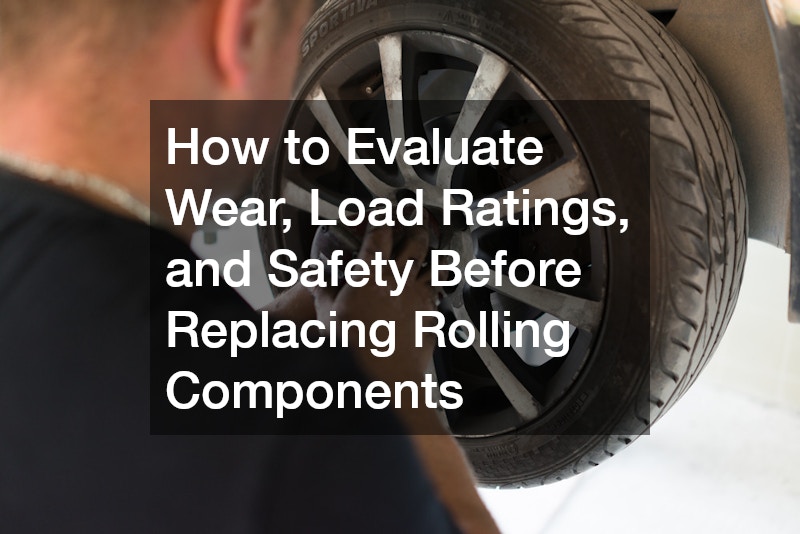
One of the most overlooked aspects of vehicle safety and performance is the condition of rolling components. When evaluating trailer tire and wheels, it’s not enough to glance at tread depth and assume everything is fine. Uneven wear patterns can indicate alignment issues, suspension problems, or improper inflation. Sidewall cracking, bulges, or discoloration often signal aging materials that may fail under load. Understanding these warning signs allows you to address small issues before they become dangerous failures.
Choosing a new tire also requires careful attention to how the vehicle or trailer is actually used. Load ratings, speed ratings, and construction type all influence performance and longevity. A tire that works well for light, occasional hauling may not be suitable for frequent heavy loads or long highway trips. Environmental factors such as heat, cold, and road conditions also affect tire durability. Taking time to match specifications to real usage ensures better safety and reduces premature replacement.
Before making a purchase, it helps to review a few practical considerations:
- Verify the load rating matches or exceeds your heaviest expected load
- Check compatibility with existing rims and suspension components
- Confirm recommended inflation ranges for your typical operating conditions
After reviewing these factors, ongoing maintenance becomes the key to protecting your investment. Regular pressure checks, rotation schedules, and visual inspections dramatically extend service life. Addressing alignment or suspension problems early prevents recurring wear issues. By treating rolling components as part of a larger system rather than isolated parts, you improve both safety and efficiency.
Planning Power Access and Energy Availability for Modern Vehicles
As vehicles evolve, access to reliable power has become a major consideration for owners and operators. Planning routes and daily usage now often involves awareness of electric vehicle charging stations and their availability. Understanding where charging points are located and how long charging takes can prevent delays and unnecessary stress. This is especially important for drivers who travel long distances or rely on their vehicles for work.
Effective planning starts with evaluating your typical driving habits. Short daily commutes may allow for overnight charging at home, while longer trips require strategic stops along the way. Charging speed varies significantly depending on station type, vehicle compatibility, and current demand. Knowing these variables helps drivers build realistic schedules and avoid running low on power in inconvenient locations. Over time, this knowledge becomes second nature and improves confidence in daily operations.
To make charging more predictable, consider these practical steps:
- Identify charging locations near home, work, and common routes
- Learn the difference between slow, medium, and fast charging options
- Factor charging time into travel planning just as you would fuel stops
Once these habits are established, drivers can focus on efficiency rather than uncertainty. Proactive planning reduces downtime and makes energy usage more cost-effective. Over the long term, thoughtful power management supports smoother operations and fewer unexpected interruptions.
What to Look for When Buying or Selling Heavy-Duty and Agricultural Assets
Purchasing or selling large equipment is a significant decision that requires careful evaluation. A local tractor sale can present great opportunities, but only if buyers understand what to look for beyond surface appearance. Engine hours, maintenance records, and signs of wear all tell a story about how the equipment has been used. Ignoring these details can result in costly repairs shortly after purchase.
Sellers also benefit from understanding buyer expectations and preparing equipment accordingly. Clean presentation, organized documentation, and honest disclosure build trust and often justify stronger pricing. Buyers should take time to test equipment under real working conditions whenever possible. Listening for unusual noises, checking fluid levels, and inspecting connection points reveal issues that photos cannot capture. A methodical approach protects both parties from future disputes.
When evaluating equipment, focus on:
- Maintenance history and consistency of servicing
- Wear on high-stress components such as joints and hydraulics
- Compatibility with your specific workload or attachments
After the transaction, proper onboarding is just as important as the purchase itself. Scheduling an initial inspection and maintenance service helps identify any hidden issues early. By approaching buying and selling as a process rather than a single event, owners maximize value and reduce long-term risk.
Steps to Take Immediately After Vehicle Damage to Protect Value and Safety

Accidents are stressful, but the actions taken afterward can make a significant difference in outcomes. Seeking professional collision repair quickly helps prevent further damage and ensures safety systems function as intended. Even minor impacts can affect alignment, sensors, or structural components. Delaying repairs often allows small issues to worsen over time.
Documentation plays a crucial role during this stage. Taking photos, noting damage details, and keeping records of conversations with insurers protects your interests. Quality repairs restore not only appearance but also structural integrity and resale value. Choosing experienced professionals ensures that repairs meet safety standards rather than just cosmetic expectations. This distinction becomes especially important with modern vehicles that rely on precise calibrations.
Before approving repairs, consider:
- Whether the shop uses manufacturer-approved procedures
- If replacement parts meet safety and quality standards
- How warranties and guarantees are handled
After repairs are completed, a final inspection provides peace of mind. Confirm that all systems function properly and that the vehicle drives as expected. Taking these steps helps ensure that the vehicle remains safe, reliable, and valuable long after the incident.
Choosing Fuel Solutions That Balance Cost, Efficiency, and Availability
Fuel selection directly affects operating costs, environmental impact, and reliability. In certain applications, propane fuel offers a practical alternative that balances performance and affordability. It is commonly used in fleet vehicles, forklifts, and specialized equipment where consistent operation is required. Understanding its advantages helps owners decide when it makes sense for their needs.
One benefit of propane is its relatively clean combustion, which can reduce engine wear over time. Availability and storage options also make it appealing for operations that prefer on-site fueling. However, it is important to consider factors such as energy density and infrastructure requirements. Not all vehicles or environments are well-suited for this fuel type, making evaluation essential.
When assessing fuel options, think about:
- Long-term operating and maintenance costs
- Storage and safety requirements
- Compatibility with existing equipment
After choosing a fuel solution, proper maintenance ensures optimal performance. Regular inspections of fuel systems and adherence to safety guidelines prevent issues before they arise. Informed fuel choices support efficient operations and long-term sustainability.
Diagnosing Electrical Issues Before They Become Major Failures
Electrical systems are at the heart of modern vehicles, controlling everything from engine performance to safety features. Problems that require auto electrical repair often begin subtly, with warning lights, intermittent failures, or unusual behavior. Ignoring these signs can lead to breakdowns or compromised safety. Early diagnosis saves time and reduces repair costs.
Modern diagnostics rely on specialized tools and expertise to interpret system data accurately. Electrical issues may stem from sensors, wiring, software, or power supply components. Because systems are interconnected, one fault can trigger multiple symptoms. Addressing issues promptly prevents cascading failures that are harder and more expensive to resolve.
Common warning signs include:
- Flickering lights or inconsistent electronic behavior
- Warning indicators appearing without an obvious cause
- Difficulty starting or charging system irregularities
Once repairs are completed, preventative measures help maintain system health. Regular inspections, software updates, and proper battery care reduce future issues. Understanding the importance of electrical systems empowers owners to act before minor problems escalate.
How Skilled Professionals Keep Vehicles Reliable and Road-Ready
The expertise of trained mechanics plays a critical role in maintaining vehicle reliability. These professionals combine technical knowledge with hands-on experience to diagnose issues accurately. Their training allows them to identify problems that may not be obvious to vehicle owners. This expertise is especially valuable as vehicles incorporate more advanced technology.
Working with skilled professionals also improves communication and trust. Clear explanations of issues, repair options, and preventative measures help owners make informed decisions. Experienced technicians understand how different systems interact, reducing the risk of incomplete or incorrect repairs. This holistic approach extends vehicle life and enhances safety.
To get the most value from professional expertise:
- Ask questions and request clear explanations
- Follow recommended maintenance schedules
- Address small issues before they grow
Building a long-term relationship with trusted professionals creates consistency in care. Over time, familiarity with your vehicle’s history improves service quality. This partnership supports dependable performance and fewer unexpected disruptions.
Selecting the Right Provider for Long-Term Vehicle Care
Choosing an auto repair service is about more than convenience or price. A reliable provider offers transparency, clear communication, and consistent quality. Evaluating a shop’s reputation, certifications, and customer service helps set expectations. Long-term relationships often lead to better service and more accurate maintenance planning.
Trustworthy providers focus on preventative care rather than reactive fixes. They help owners understand upcoming needs and budget accordingly. Clear estimates and documented work histories build confidence and accountability. This approach reduces surprises and improves overall vehicle reliability.
When comparing providers, consider:
- Communication style and willingness to explain repairs
- Warranty coverage and service guarantees
- Scheduling flexibility and turnaround times
Once a provider is chosen, consistency becomes an advantage. Familiarity with your vehicle allows for more efficient diagnostics and tailored recommendations. Over time, this relationship contributes to lower costs and improved peace of mind.
Understanding Tools and Machines That Support Vehicle Performance
Behind every effective repair and inspection is specialized auto equipment designed to improve accuracy and efficiency. Advanced diagnostic tools allow technicians to pinpoint issues quickly and reduce guesswork. Modern machines support precise adjustments that were once difficult or impossible. This technology directly impacts repair quality and reliability.
Well-equipped facilities can handle a wider range of services without outsourcing. This saves time and ensures continuity of care. Equipment calibration and updates are just as important as technician training. Together, they create an environment where vehicles receive thorough and accurate service.
Understanding the role of equipment helps owners recognize quality service. Facilities that invest in modern tools demonstrate commitment to precision and safety. This investment benefits customers through faster, more reliable results.
Coordinating Maintenance Decisions to Reduce Downtime and Expenses
Effective maintenance planning brings together everything discussed in the previous sections. Coordinating inspections, repairs, and upgrades minimizes downtime and unexpected expenses. Keeping organized records helps track patterns and anticipate future needs. This proactive approach turns maintenance into a strategic advantage.
Scheduling services around usage patterns reduces disruption. Combining inspections or addressing multiple issues at once often lowers overall costs. Planning also allows owners to prioritize safety-critical items while budgeting for future improvements. Over time, this coordination leads to smoother operations and better resource management.
A thoughtful maintenance strategy supports reliability and long-term value. By treating vehicle care as an ongoing process, owners gain confidence and control. This approach ensures that vehicles remain dependable assets rather than unpredictable liabilities.
Vehicle ownership and operation involve a series of interconnected decisions that influence safety, reliability, and cost. By understanding how inspections, repairs, energy planning, and professional services work together, owners can make informed choices that protect their investments. Proactive maintenance reduces stress and prevents small issues from becoming major disruptions.
Applying the strategies outlined in this guide helps create a balanced, efficient approach to vehicle care. With careful planning and trusted support, vehicles can perform reliably in an ever-changing landscape. Taking action today builds confidence and ensures readiness for whatever the road ahead brings.