Owning a vehicle is a cornerstone of modern independence, representing both freedom of movement and a significant financial commitment. For most households, an automobile is the second largest investment they will ever make, trailing only the purchase of a home. Yet, despite this massive financial stake, the average approach to automotive care remains overwhelmingly reactive. Drivers frequently operate under a policy of benign neglect, ignoring subtle changes in vehicle behavior and only seeking professional assistance when a dashboard warning light flashes or a catastrophic mechanical failure leaves them stranded on the side of a busy highway.
This reactive approach to vehicle ownership is not only economically draining, resulting in thousands of dollars of preventable repairs over the life of a car, but it also compromises safety and drastically accelerates depreciation. The automotive world can feel incredibly complex, packed with specialized terminology, intricate engineering systems, and a dizzying array of service options. Navigating this landscape requires a clear, structured roadmap that demystifies vehicle care from the ground up.
To maximize the lifespan of your vehicle and ensure your daily commutes remain safe and predictable, you must learn to view automotive care as a holistic, multi-tiered ecosystem. This system spans from cosmetic preservation and minor mechanical tune-ups to major powertrain overhauls and emergency roadside preparedness. By understanding how these disparate services interconnect, you can transition from a stressed motorist reacting to emergencies into a proactive, informed vehicle owner. This comprehensive guide is designed to provide you with deep, actionable insights into every facet of modern vehicle care, equipping you with the knowledge needed to protect your investment, optimize performance, and handle any automotive scenario with confidence.
1. Shifting to a Preventive Care Mindset
The foundation of long-term vehicle reliability rests entirely on moving away from emergency fixes and adopting a strict preventative maintenance schedule. Modern automobiles are marvels of synchronized engineering, where the failure of a minor, inexpensive component can quickly cascade into major mechanical damage across primary systems. Proactive care ensures that wear-and-tear items are identified and replaced long before they can cause secondary damage, preserving the factory-engineered integrity of your car.
When selecting a local facility to partner with for this ongoing care, look for certifications such as Automotive Service Excellence (ASE) and ensure they possess up-to-date diagnostic equipment. It’s important to find the right auto repair company. A reputable auto repair company will always be transparent about their findings, offering clear explanations and itemized estimates before performing any work. By building a relationship with a trusted auto repair establishment early on, you establish a reliable baseline for your vehicle’s health, transforming routine maintenance from a stressful chore into a seamless, predictable part of your yearly budget.
2. Maximizing Braking Power and Hydraulic Efficiency
No safety system on a vehicle is more critical than the assembly responsible for bringing thousands of pounds of metal to a complete, controlled stop. Braking systems operate under extreme thermal and mechanical stress, converting kinetic energy into heat through friction. Over time, this intense heat alters the chemical composition of friction materials and stresses hydraulic components, making routine inspection and precise service non-negotiable for driver safety.
When you notice these symptoms, securing a professional brake repair service immediately is paramount to restoring vehicle safety. A comprehensive brake overhaul goes far beyond simply throwing a new set of pads onto the vehicle. Technicians must carefully measure rotor thickness with micrometers to ensure they meet factory safety minimums, resurface or replace the discs to prevent pedal pulsation, and flush out old, moisture-laden brake fluid. Because brake fluid is hygroscopic—meaning it actively absorbs moisture from the air—neglecting regular fluid flushes can lead to internal corrosion of expensive anti-lock braking system (ABS) components and severe brake fade under heavy load conditions.
3. Navigating Complex European Engineering
European luxury and performance vehicles are celebrated worldwide for their precise handling, cutting-edge technological innovations, and superior driving dynamics. However, this level of performance comes with a trade-off: highly complex engineering architectures and exceptionally tight manufacturing tolerances. Unlike domestic or standard Asian imports, European vehicles rely heavily on networked computer modules, specialized sensor arrays, and proprietary mechanical designs that reject generic maintenance strategies.
Because of this intense specialization, relying on general mechanics who lack the proper diagnostic tooling and platform-specific training can result in misdiagnosis and botched repairs. Seeking out dedicated bmw repair specialists, for example, guarantees that your vehicle is serviced by technicians who understand the unique quirks of these advanced machines, such as Vanos variable valve timing systems and intricate cooling loops. Entrusting your luxury vehicle to experts who utilize original equipment manufacturer (OEM) parts ensures that the factory performance, fuel efficiency, and driving dynamics are fully preserved throughout the lifetime of the vehicle.
4. Diagnosing and Rebuilding Core Powertrain Assemblies

The internal combustion engine serves as the heart of your vehicle, containing hundreds of rapidly moving parts operating under immense pressure and heat. When a core powertrain component experiences a severe breakdown, the structural and financial integrity of the entire vehicle is put at risk. Diagnosing internal engine issues requires a blend of advanced technological monitoring, mechanical pressure testing, and deep structural knowledge to determine whether a component can be repaired or if a total replacement is necessary.
Resolving these advanced mechanical failures demands specialized auto engine repairs conducted in clean, controlled garage environments. Technicians utilize cylinder compression testers, leak-down gauges, and borescope cameras to peer deep inside the combustion chambers without fully tearing down the block. Depending on the depth of the damage, solutions can range from replacing a blown head gasket or worn timing chain to completely removing the engine block to machine the cylinders and rebuild the crankshaft assembly. Given the extreme precision required for these operations, utilizing high-quality components and expert labor is the only way to ensure the rebuilt powertrain delivers long-term reliability.
5. Advanced Chemistry for Exterior Paint Preservation
While mechanical reliability keeps a vehicle moving, the physical condition of the exterior bodywork dictates its immediate aesthetic and financial valuation. Modern automotive paint finishes are incredibly thin and constantly vulnerable to environmental hazards such as ultraviolet radiation, acid rain, industrial fallout, bird droppings, and harsh winter road salts. Traditional waxes and synthetic polymer sealants only provide a temporary, microscopic barrier that degrades within a matter of weeks, leaving the clear coat exposed to oxidation and micro-scratching.
Investing in a professionally applied auto ceramic coating transforms the clear coat by introducing a liquid polymer that cures into an incredibly hard, glass-like shield. This crystalline layer fills in the microscopic pores of the factory paint, preventing contaminants from etching into the surface and minimizing the creation of wash-induced swirl marks. When properly maintained through correct hand-washing techniques, this advanced chemical barrier can protect a vehicle’s exterior for multiple years, drastically slowing down aesthetic depreciation and commanding a premium premium price whenever it comes time to sell or trade in the vehicle.
6. Restoring Bodywork Without Painting
No matter how carefully you drive or where you park, your vehicle’s exterior is constantly threatened by runaway shopping carts, stray baseballs, tight parking garages, and unpredictable hailstorms. Historically, repairing even a minor door ding or crease required a trip to a traditional body shop, where technicians would grind away the factory paint, fill the dent with plastic body filler, and attempt to blend new paint across multiple panels. This traditional process is time-consuming, expensive, and permanently alters the vehicle’s original factory finish.
Utilizing paintless dent repair requires an incredible amount of patience, specialized lighting arrays, and custom-engineered steel rods and whale-tail tools. Technicians gain access behind the damaged panel, using precise pressure to gently manipulate the stretched metal back into its exact original position. Because the factory paint remains completely undisturbed, this methodology provides a flawless, seamless restoration that is completely undetectable to the naked eye, all at a fraction of the cost of traditional body shop work.
7. Managing Roadside Failures Safely

Even the most meticulously maintained vehicle can occasionally suffer an unpredictable road hazard, such as a shredded tire from highway debris, a sudden alternator failure, or an unexpected battery death. When a vehicle loses power on a fast-moving highway, the situation quickly shifts from an annoying mechanical inconvenience into a high-stakes safety emergency. Knowing how to manage the first few critical minutes of a roadside breakdown can mean the difference between a safe recovery and a dangerous multi-car collision.
Once the vehicle is securely positioned in a safe zone, contacting a reputable, fast-responding towing service becomes your top priority. Professional towing operations utilize specialized flatbed trucks or wheel-lift equipment to safely transport compromised vehicles without inducing drivetrain or bumper damage. While waiting for the operator to arrive, keep your smartphone battery preserved, monitor your surrounding environment, and communicate your exact location using GPS coordinates or highway mile markers to ensure a swift, seamless extraction from the roadside hazard.
8. Inspecting and Adjusting Specialized Pressurized Fuel Systems
As the automotive landscape broadens to embrace alternative energies, eco-conscious fleet management, and specialized utility vehicles, traditional gasoline and diesel engines are no longer the sole options on the road. Many commercial fleets, delivery vehicles, heavy-duty trucks, and recreational vehicles utilize liquefied petroleum gas (LPG) as a primary or secondary fuel source. These alternative fuel systems operate under high pressure and demand specific maintenance protocols that differ fundamentally from standard liquid fuel delivery systems.
When dealing with these specialized alternative powertrains, partnering with a facility that offers certified propane services is absolutely essential to ensure compliance with strict environmental and safety regulations. These specialized technicians possess the gas-leak detectors, pressure gauges, and explosion-proof tools required to safely evacuate, service, and refill high-pressure fuel tanks. Proper calibration of the gaseous fuel regulators ensures optimal combustion efficiency, protecting internal engine valves from excessive heat and saving thousands of dollars in fuel costs over long-haul operations.
9. Preserving Wheel Tracking and Tire Longevity
Your tires are the only four points of physical contact between your vehicle and the asphalt, making their condition and alignment foundational to handling, braking distance, and fuel economy. As a vehicle travels over pothole-ridden city streets, speed bumps, and rough railroad tracks, the intricate suspension joints and steering linkages slowly drift out of their factory-specified positions. Even a microscopic misalignment can cause tires to drag sideways down the road, creating massive rolling resistance and uneven tread wear.
Correcting these alignment anomalies requires mounting the vehicle onto a specialized computerized alignment rack, where laser sensors measure the exact angles of camber, caster, and toe. Technicians then adjust the suspension tie rods and control arms to realign the wheels perfectly parallel to each other and perpendicular to the roadway. Combining routine wheel alignments with a consistent tire rotation schedule every six thousand miles ensures maximum tread longevity, crisper handling response, and optimal fuel economy across all driving conditions.
10. Maintaining Vital Thermal Management Systems
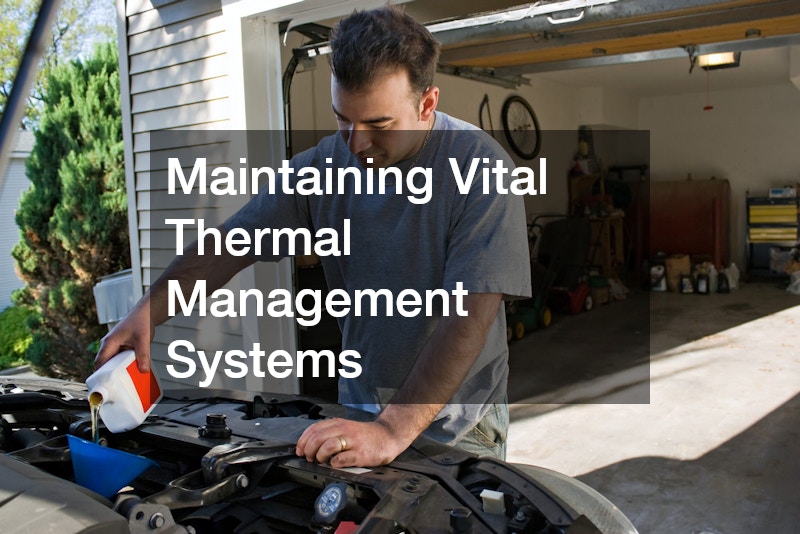
An internal combustion engine generates enough thermal energy during normal operation to easily melt its own aluminum and iron structures if left unchecked. The automotive cooling system is responsible for continuously regulating this extreme heat, circulating liquid coolant through the engine block to absorb thermal energy and dissipating it through the radiator fins. Neglecting this vital thermal management loop is one of the most common causes of terminal engine failure, often leading to warped cylinder heads, cracked blocks, and blown gaskets.
Over time, automotive coolant undergoes chemical degradation, turning acidic and losing its ability to protect internal water pumps and heater cores from rust and scale buildup. A professional cooling system service involves pressure testing the entire loop to detect microscopic leaks, flushing out old contaminated fluid, and refilling the system with a precise 50/50 mix of distilled water and the correct factory-specified antifreeze. Keeping this system operating at peak thermal efficiency guarantees that your vehicle can safely handle stop-and-go summer traffic and sub-zero winter mornings alike without missing a beat.
True automotive peace of mind is never the result of luck or chance; it is built through consistent, proactive habits and established professional partnerships. Take the time to audit your vehicle’s service history, inspect your emergency roadside kit, and address any lingering dashboard warning lights or unusual noises today. By prioritizing regular maintenance and understanding the intricate systems that keep your vehicle moving, you transform your car from an unpredictable financial variable into a highly dependable asset that will safely carry you for hundreds of thousands of miles to come.